Co-op pacing
Encounters are built around squad movement, shared pressure and moments where players need to regroup before pushing forward.
Personal Project
Designing a narrative campaign for Alien Swarm: Reactive Drop, focused on cooperative pacing, environmental storytelling and combat-driven mission flow.
Project Overview
Nam Humanum is a custom campaign created for Alien Swarm: Reactive Drop. The project was designed as a more narrative-driven experience, using mission structure, level pacing and environmental storytelling to support the progression of the squad.
The campaign alternates between exploration, tension building and intense combat encounters. Each mission was designed to feel distinct while still belonging to the same hostile research facility setting.
Beyond the maps themselves, the project was also an opportunity to work on Source Engine scripting, custom presentation, level art, sound design and the structure of a complete community campaign.
Campaign Structure
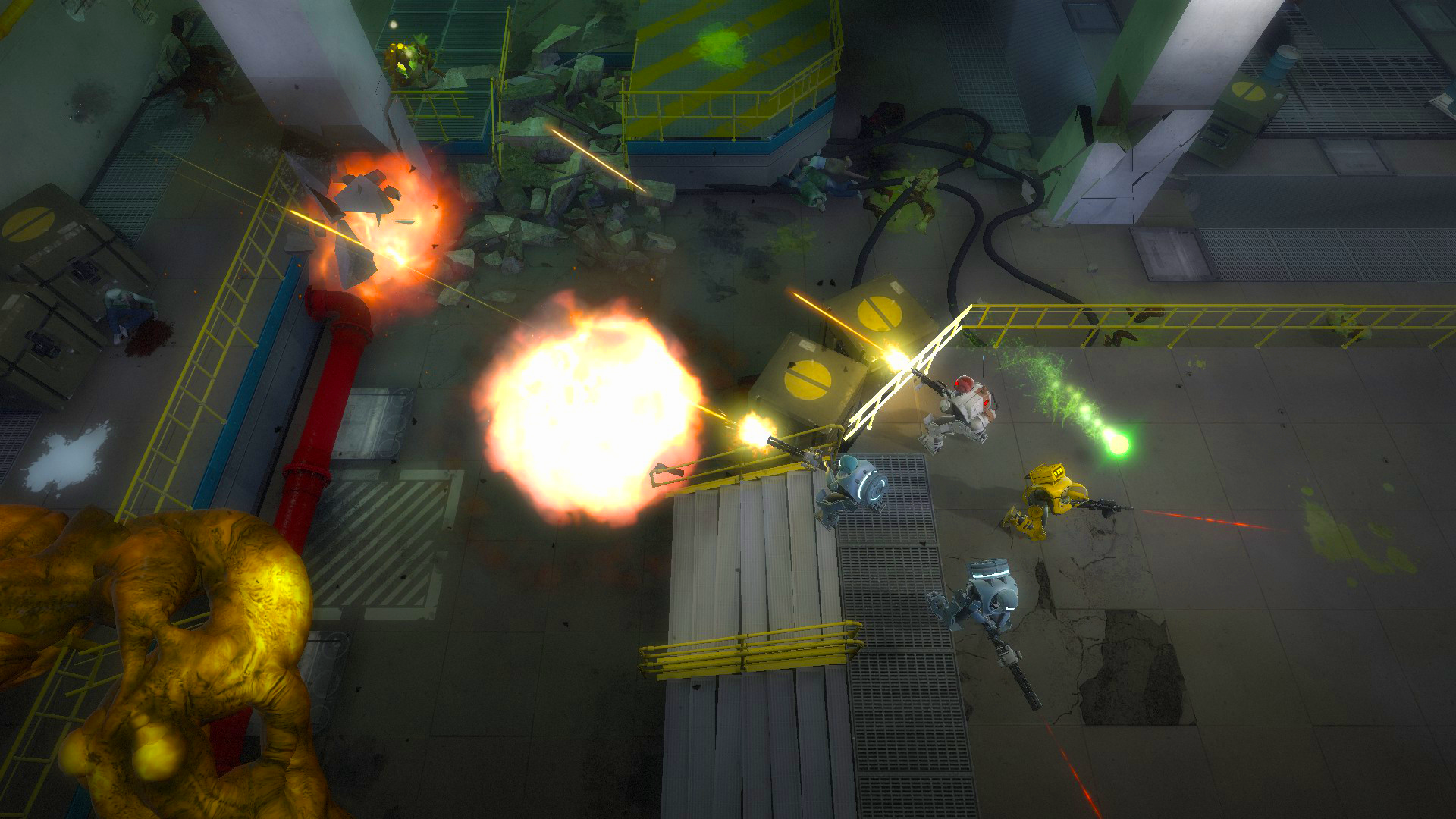
The campaign relies on changes of rhythm: quiet traversal sections, moments of anticipation, sudden attacks and larger combat spaces where the squad has to coordinate under pressure.
This structure helps prevent the experience from becoming a continuous combat corridor. The goal was to create missions that breathe, with readable transitions between exploration, danger and action.
Design Pillars
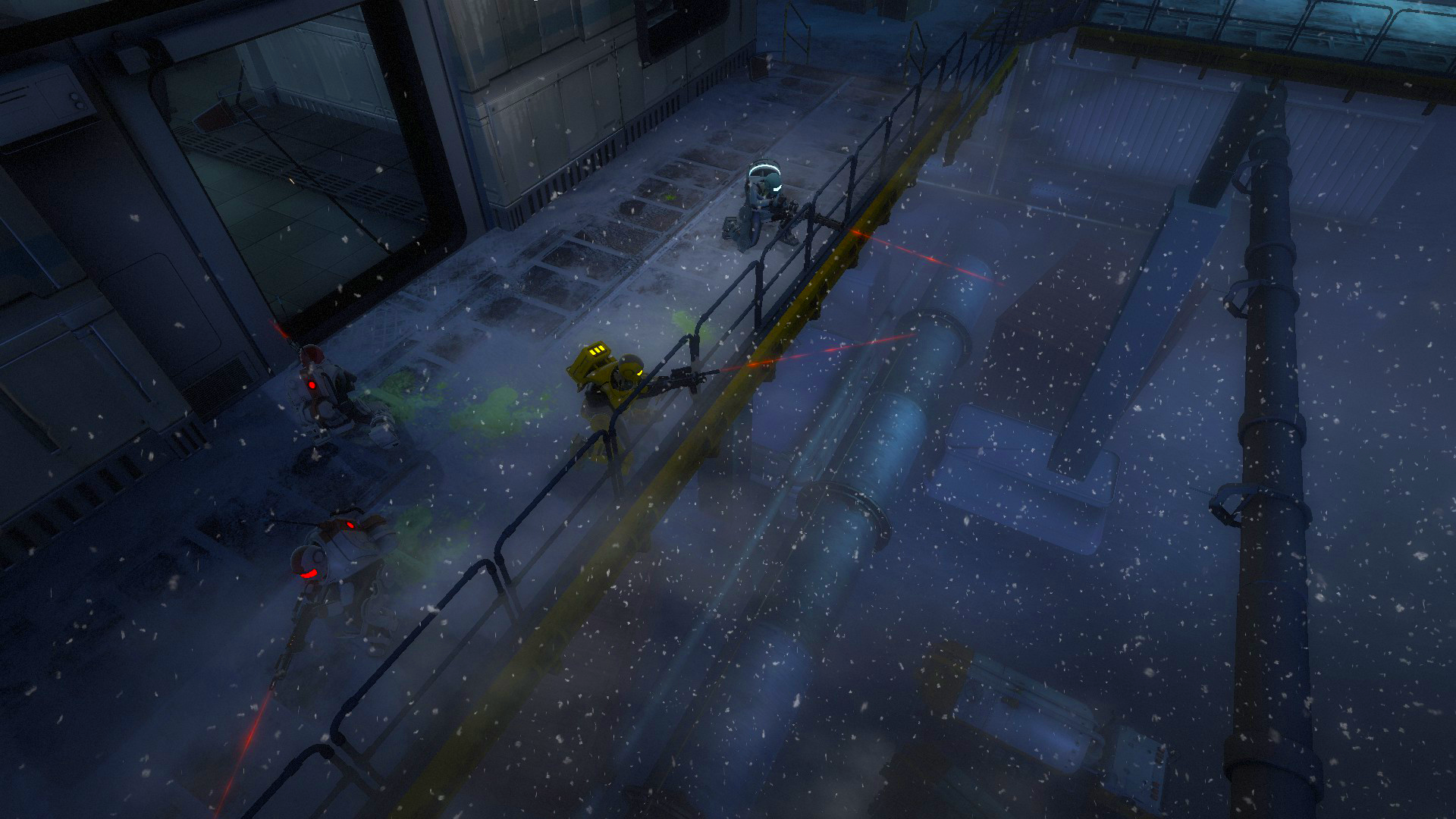
Encounters are built around squad movement, shared pressure and moments where players need to regroup before pushing forward.
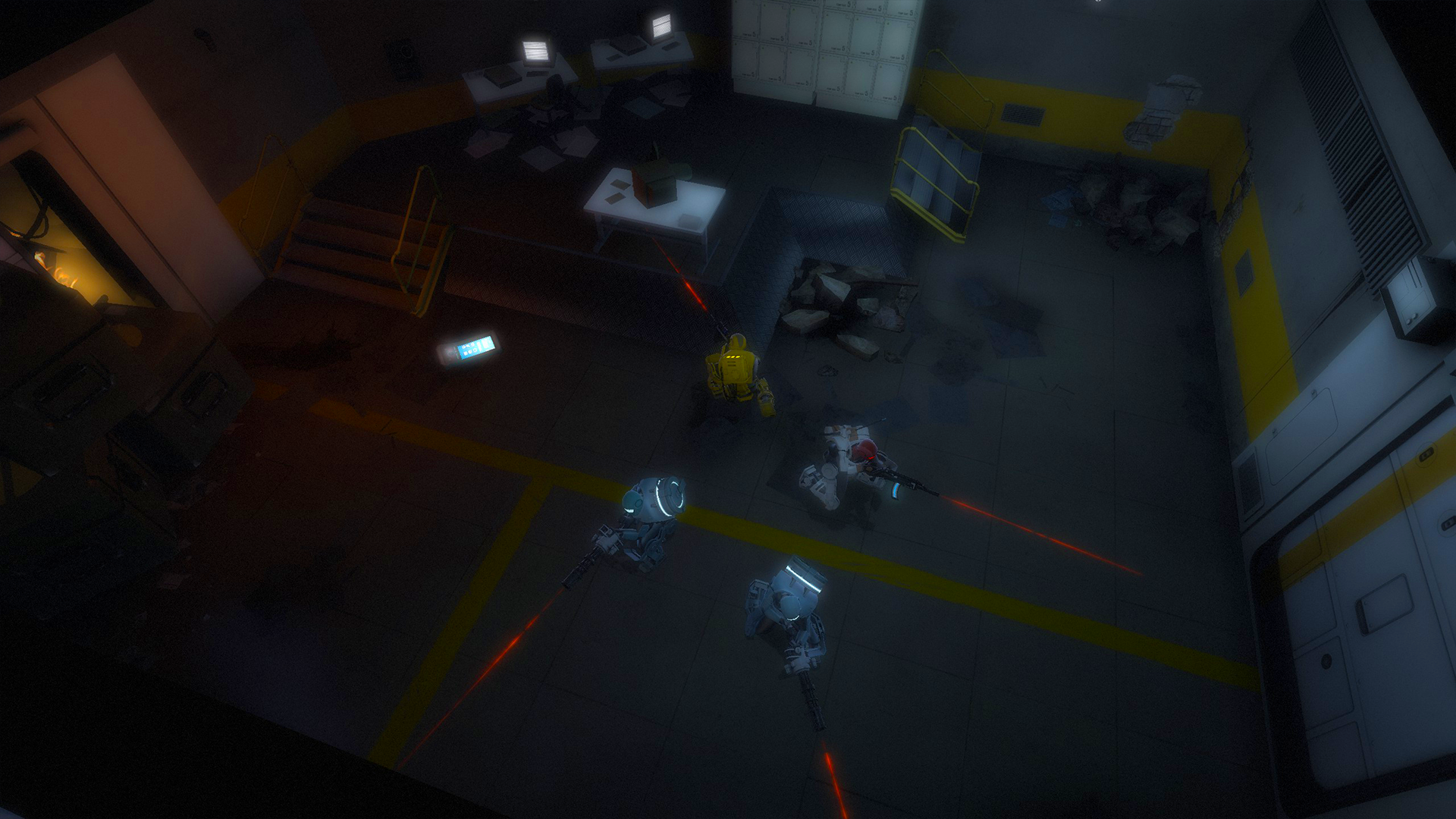
Because Alien Swarm is played from a top-down camera, layouts and lighting were designed to keep combat readable even during dense enemy waves.
Cold exterior spaces, dark interiors and damaged laboratory areas help support the campaign's hostile sci-fi mood.
Environmental Storytelling
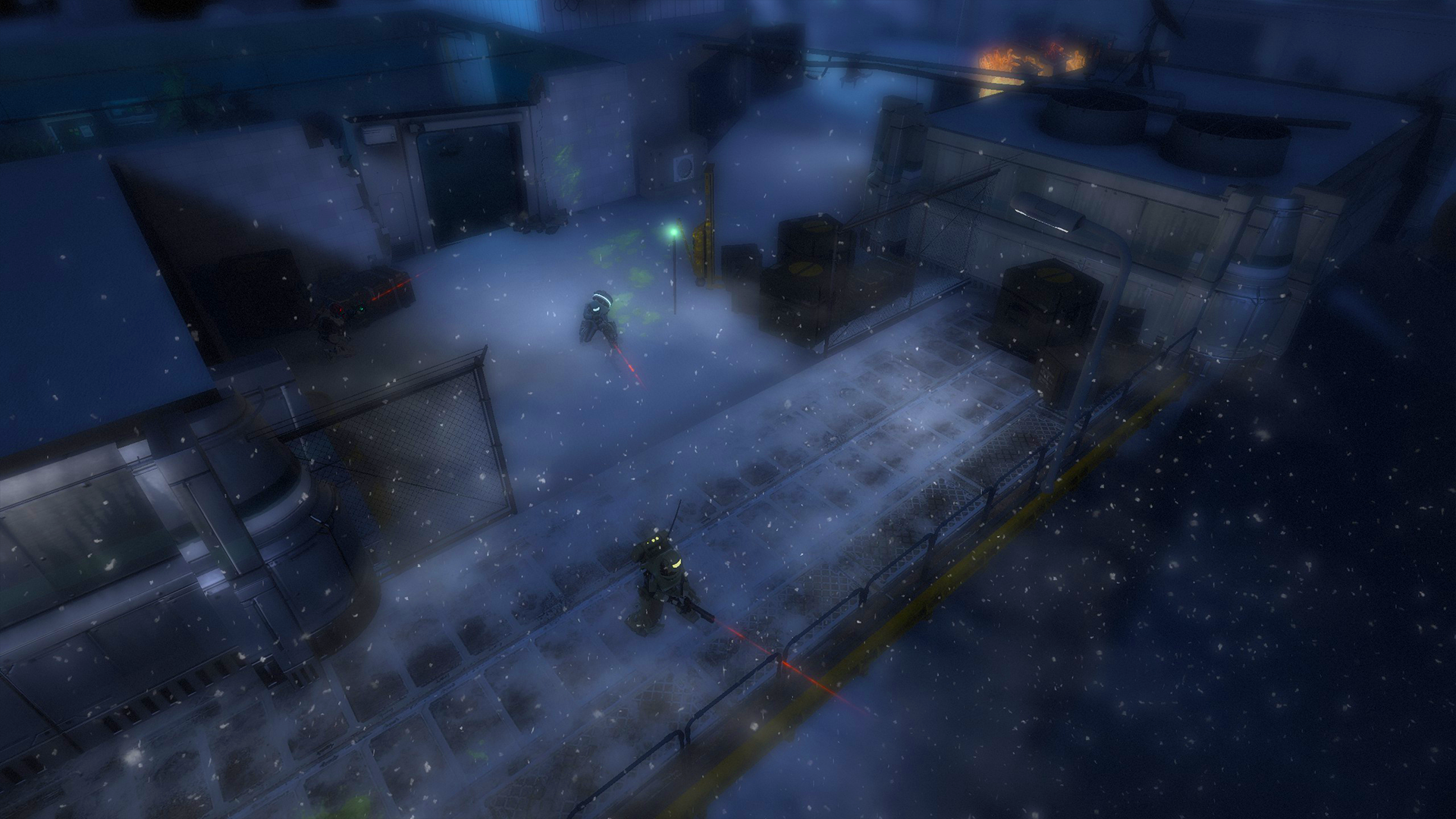
The environment was used to suggest what happened before the marines arrived: damaged equipment, abandoned spaces, blood trails, blocked passages and infected zones all contribute to the narrative context.
The goal was to make the player understand the situation through the level itself, without relying only on text or exposition.
Level Design
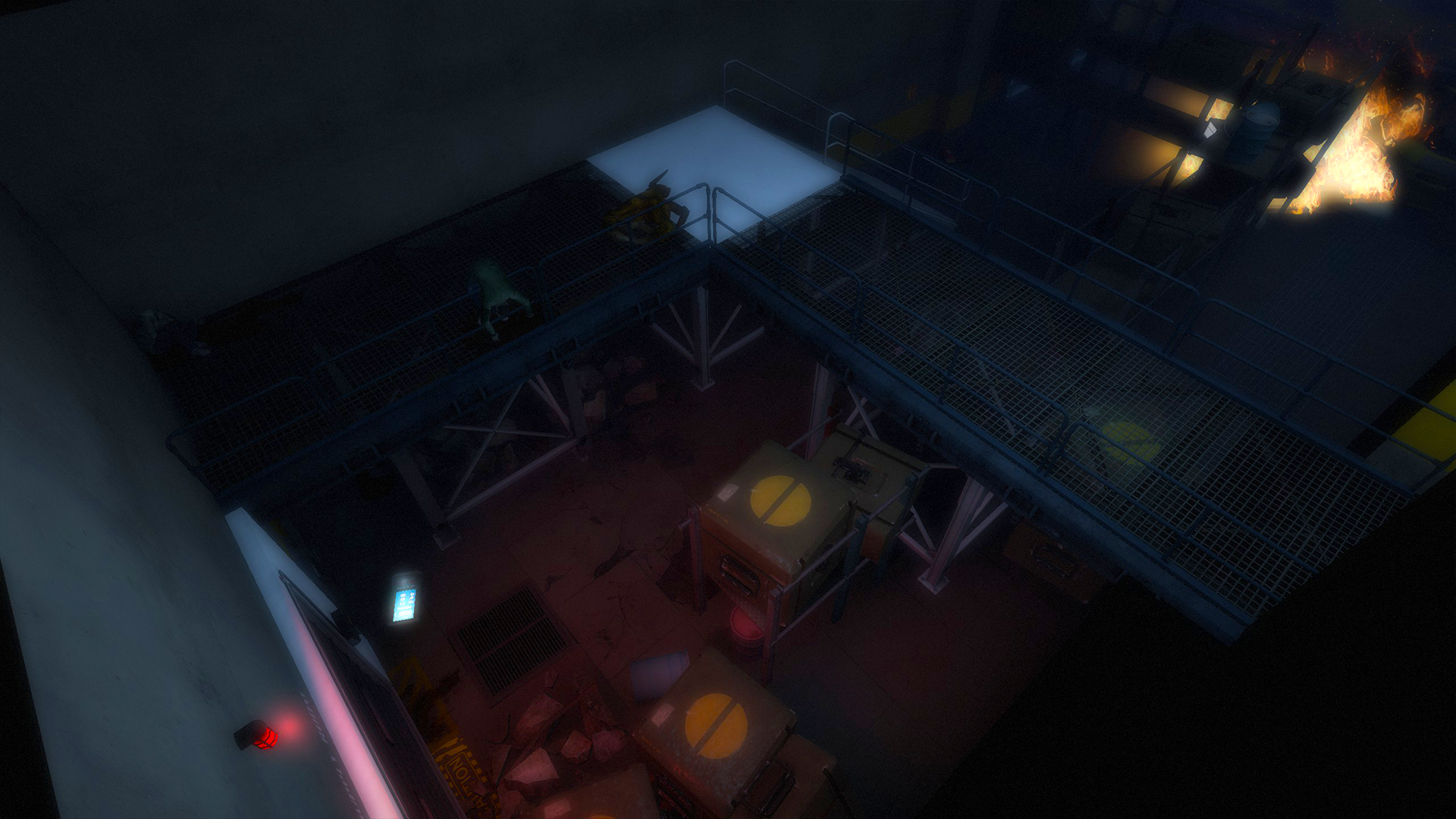
The levels were designed to support cooperative positioning. Corridors and transitional spaces guide the squad between objectives, while wider rooms give players room to react, reposition and manage enemy pressure.
Strong lighting contrasts, color accents and recognizable landmarks help players quickly read the environment during combat.
Takeaways
Nam Humanum taught me how to structure a complete cooperative campaign, from mission pacing to level readability and environmental storytelling.
It also helped me develop a broader production mindset: building maps, scripting events, creating mood, presenting the project and making the experience coherent across multiple missions.