Professional Project
Test Drive
Unlimited
Solar Crown
Designing roads, districts and driving experiences across Hong Kong Island.
Open World Design
Building a playable Hong Kong
One of the biggest challenges behind Test Drive Unlimited Solar Crown was finding the right balance between authenticity and gameplay.
Players expected to recognize real roads, districts and landmarks from Hong Kong Island. At the same time, the city needed to support a driving experience designed around progression, exploration and vehicle diversity.
My work focused on designing urban and mountain regions while shaping the driving flow of each area through road profiles, visibility, elevation changes and environmental identity.

Driving Flow
Roads as a design language
Roads were one of our primary design tools. Different road widths, corner rhythms, surfaces and elevation profiles were used to create distinct driving experiences across the island.
Unlike many open world racing games, not every road was designed for every vehicle. A hypercar should not perform optimally on a remote mountain trail, just as an off-road vehicle should not feel at home on a high-speed urban boulevard.
Region Focus
Stanley
Stanley was one of the first regions I worked on during production.
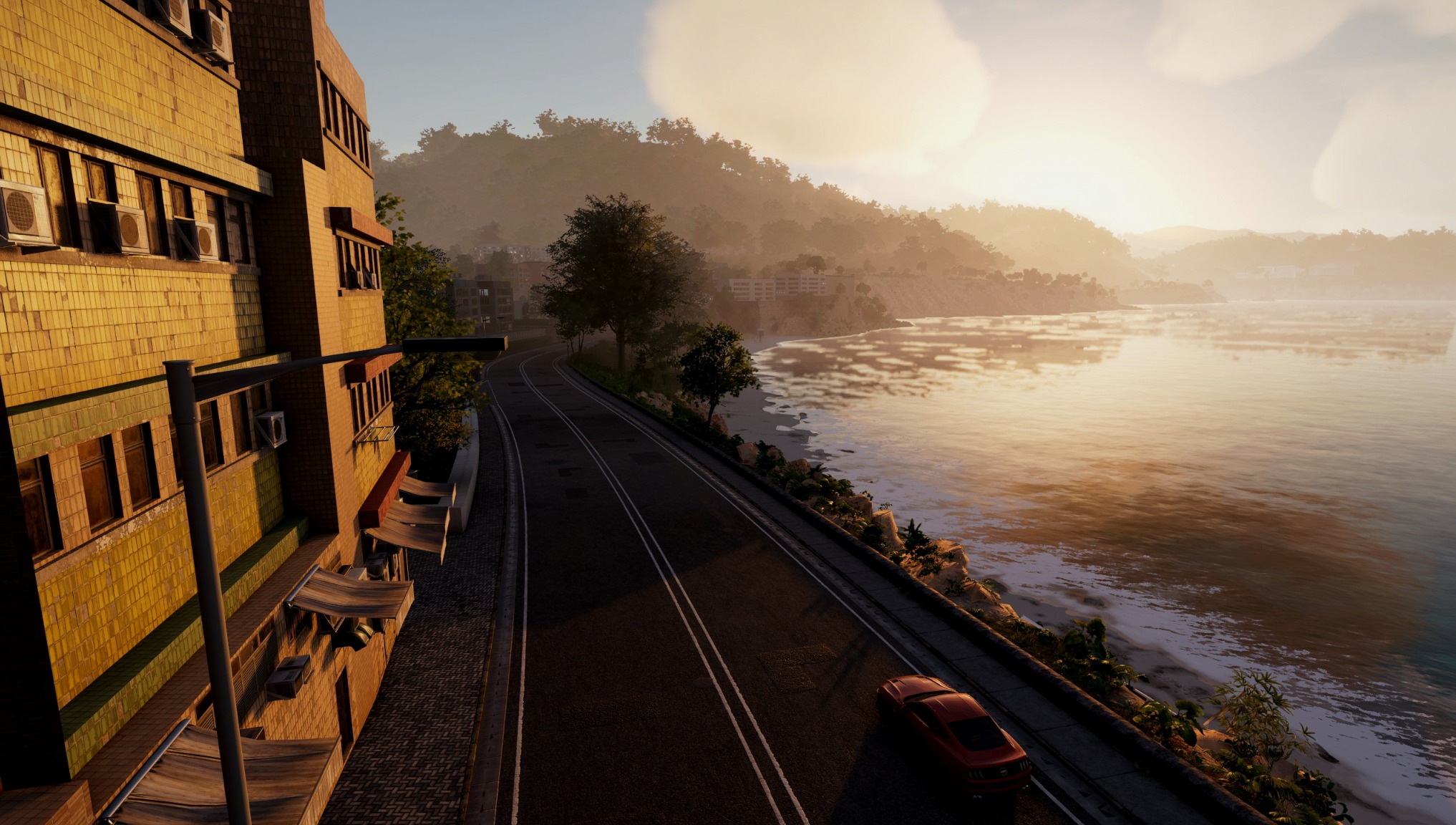
Located in the south of Hong Kong Island, it contrasts strongly with surrounding regions by offering one of the few urban environments in the southern part of the map.
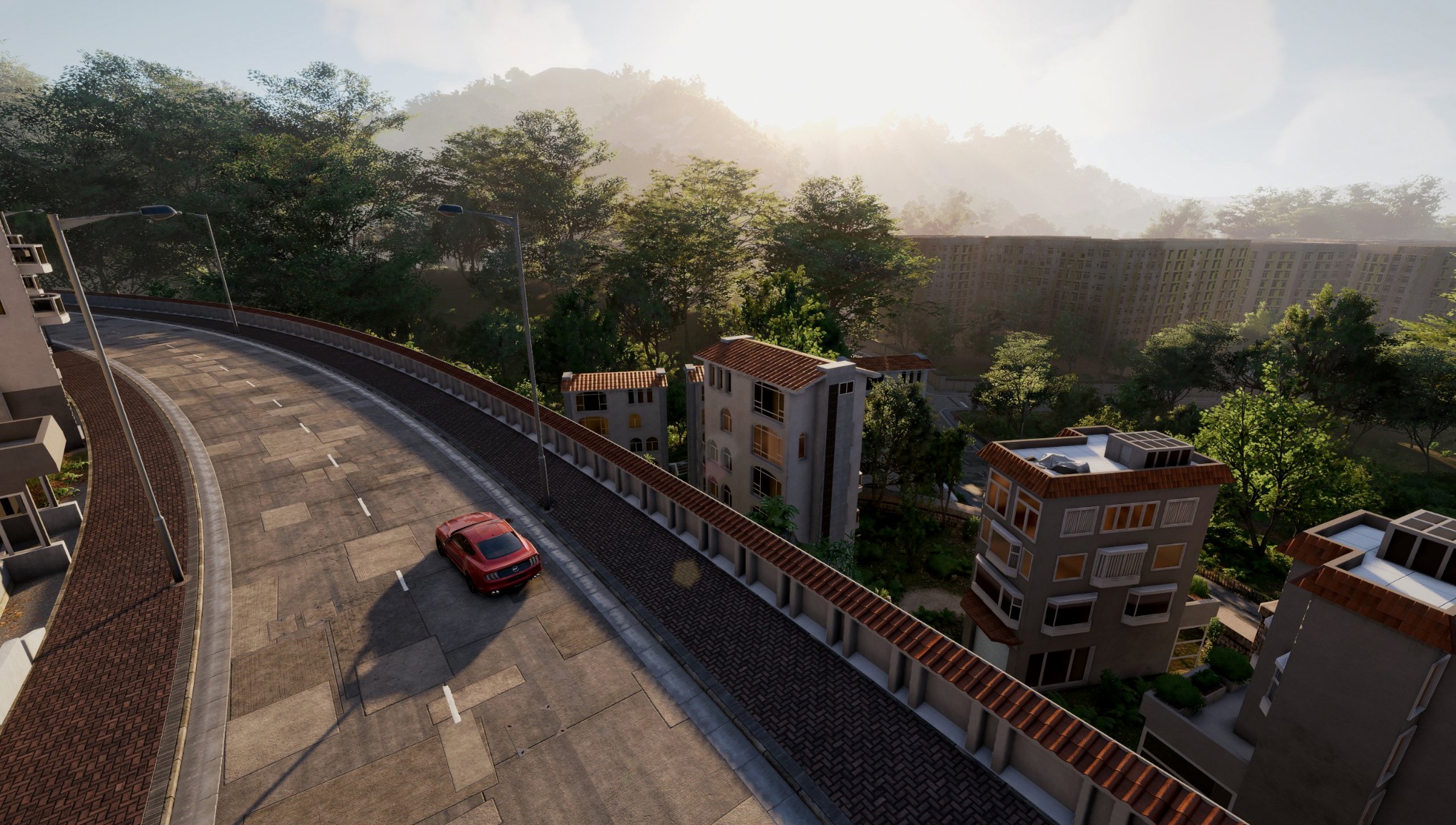
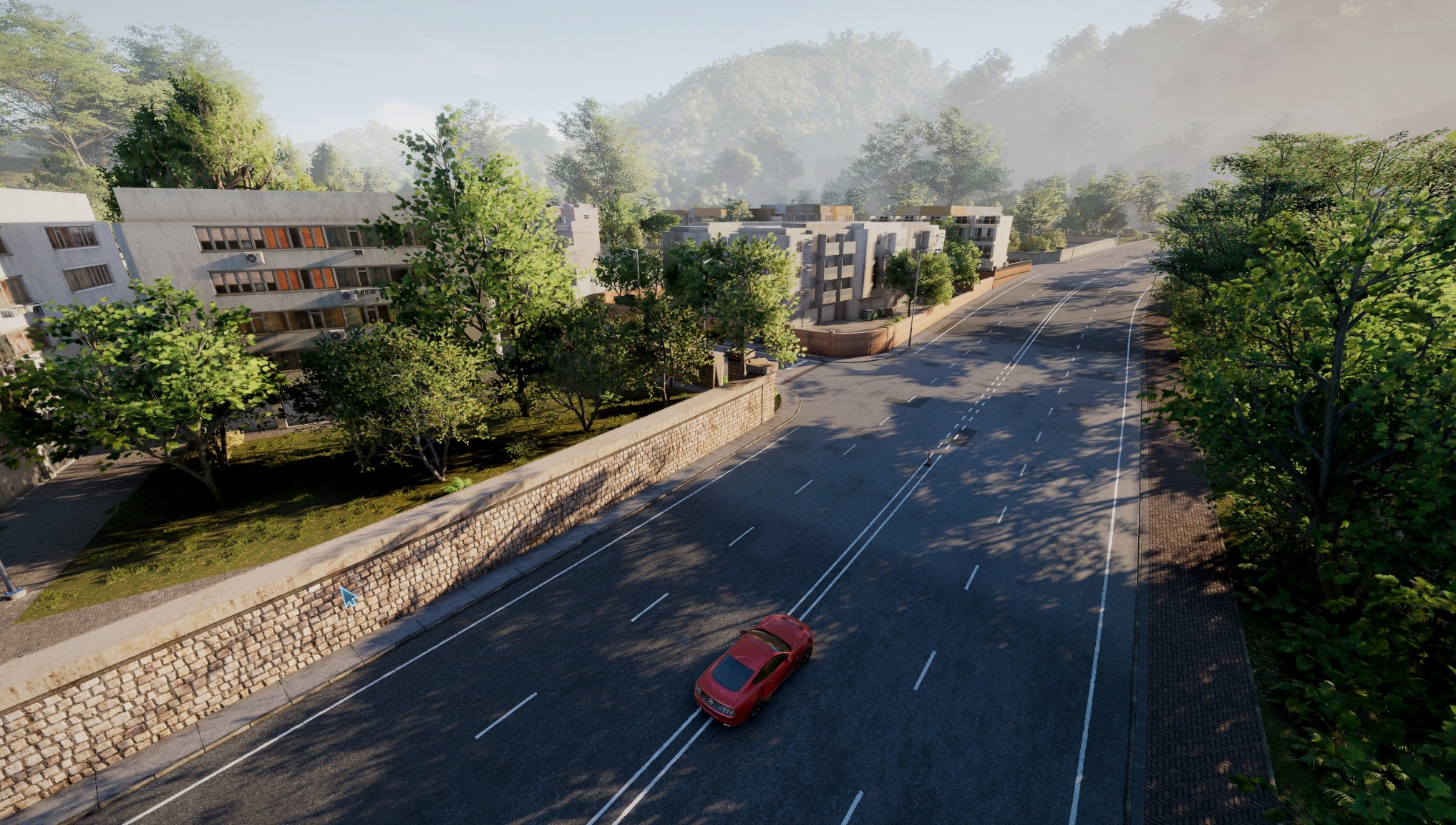
The area is structured around one major traffic axis crossing the city, connected to multiple secondary roads leading into residential areas, the waterfront and points of interest.
Stanley’s verticality comes mainly from the terrain relief rather than from dense road layers. Its winding roads between buildings and along the sea made it a strong playground for race layouts.


Region Focus
Tai Tam
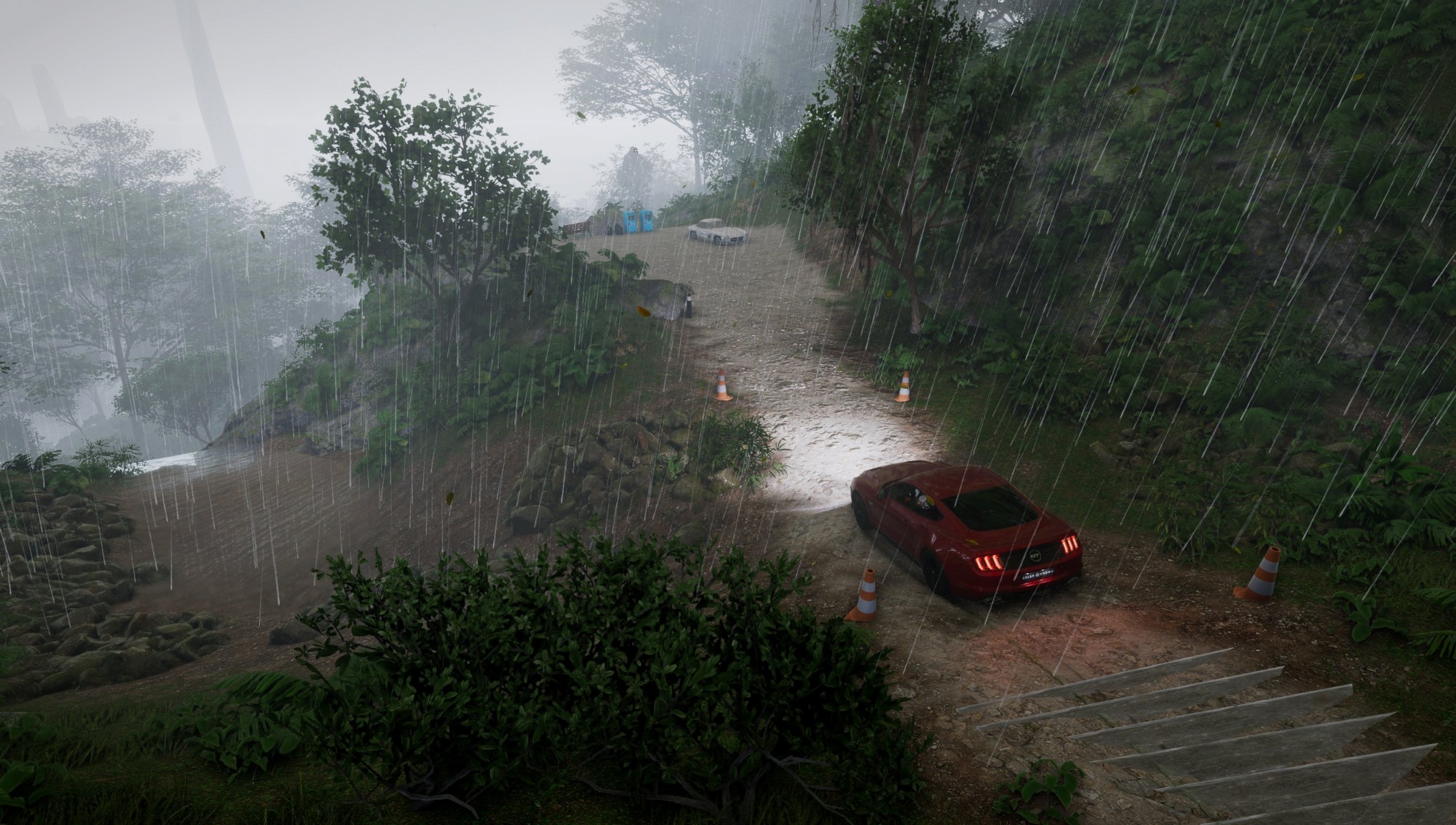
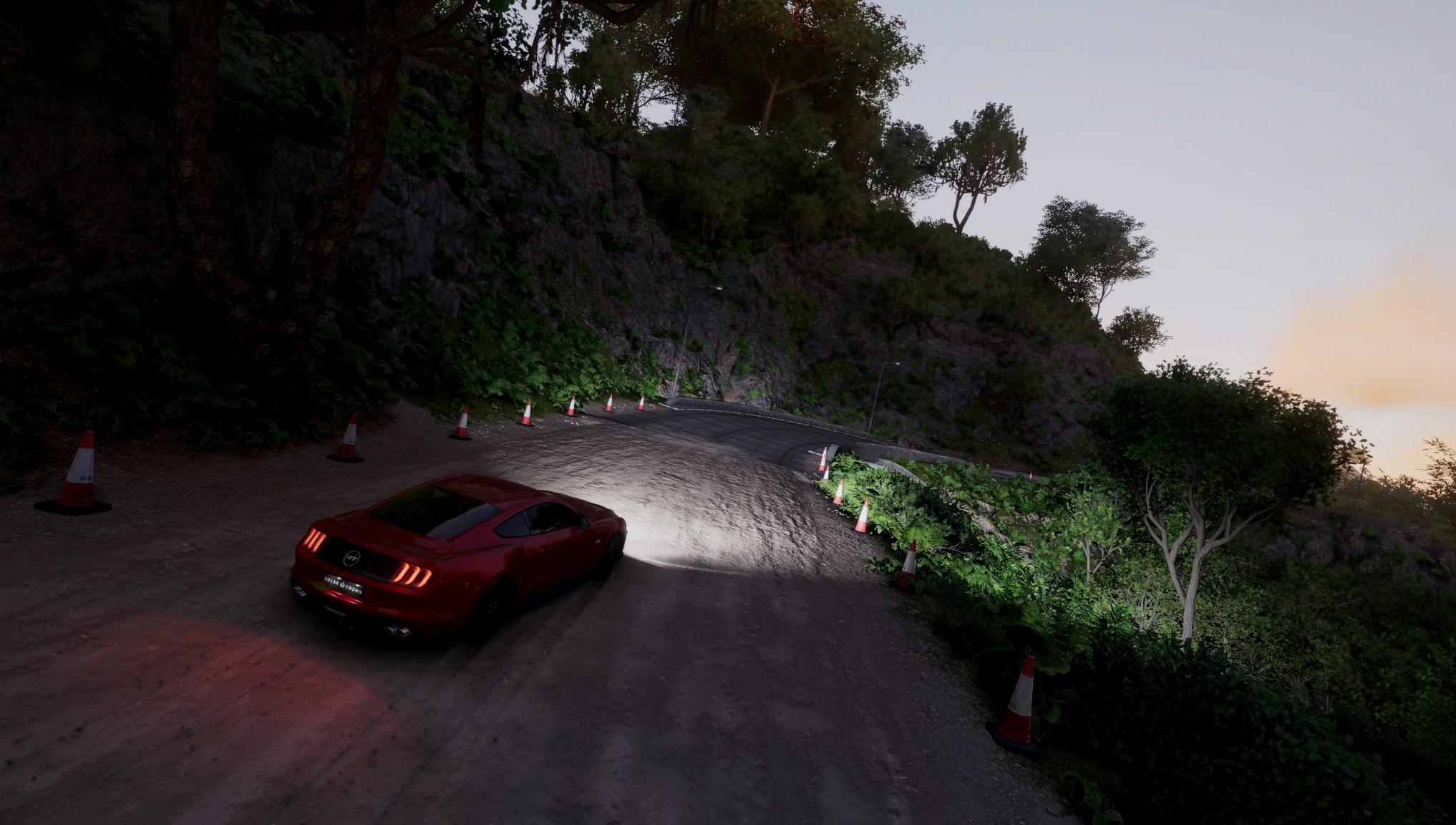
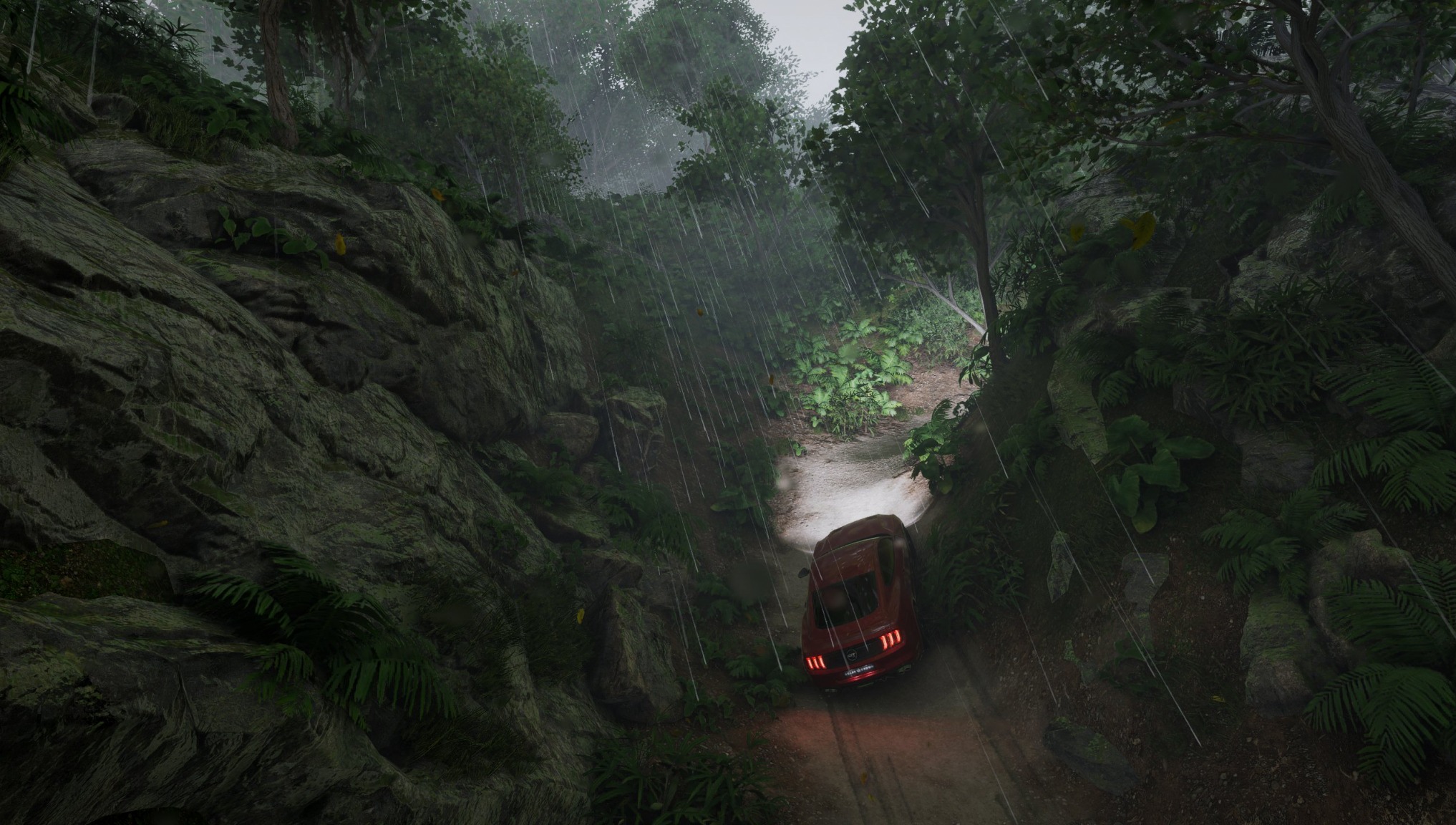
Tai Tam is one of the least urbanized regions of the map and one of the areas that pushes players the most toward exploration and off-road driving.
Part of my work was to improve and refine the off-road paths of the region for different vehicle categories. Many of these paths do not appear on the map until the player discovers them, allowing us to hide secrets and points of interest throughout the valleys.
Unlike Stanley, Tai Tam offers fewer race-focused roads. Its identity is built around gravel tracks, dirt paths, dense vegetation and routes that are only truly manageable with adapted vehicles.
Vehicle Design
Not every road was made for every vehicle
Vehicle diversity played a major role in shaping the world. Certain routes were deliberately designed to favor specific vehicle categories.
This approach allowed different areas of the island to offer distinct driving sensations while encouraging players to experiment with the full vehicle roster.
The road network itself became part of the progression and exploration system.
Social Hub Design
ORC Headquarters
Beyond open world level design, I was also responsible for designing the entire ORC Headquarters, working in collaboration with Environment Artist Clément Carpentier who handled the visual dressing and final art pass.
Designing a social hub inside a racing game presents a unique challenge. Unlike roads and races, these spaces must support navigation, player gathering, progression systems and faction identity while remaining coherent with the fantasy of the clan.
This section will be expanded once the location becomes publicly available.
ORC Headquarters
Coming later

Takeaways
What I learned
Working on Hong Kong Island taught me how open world level design can shape the feeling of driving through road hierarchy, environment identity and vehicle specialization.
The project strengthened my understanding of how to balance real-world references with gameplay needs, especially when adapting recognizable locations into a playable open world.
It also gave me experience across different types of spaces, from large-scale road networks and exploration paths to landmarks and interior hub design.